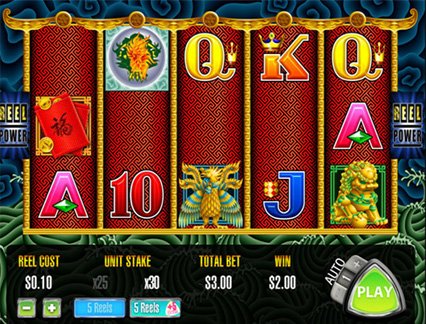
Choosing a pokie should involve more than recognising its theme. With 5 Dragons, the practical decision is whether its format, volatility, stake range and presentation suit the way you intend to play. The 5 dragons pokie game can be researched as a specific title, but the final choice should still depend on the rules displayed by the operator offering it. Paylines, symbols and available settings may differ between versions, so use the paytable and game information as your primary reference before risking money.
Start with the game’s actual mechanics
The first step is to identify how the game produces winning combinations. Check the number of reels, paylines or ways to win, the symbols required for a prize, and whether wins must appear from left to right or follow another pattern. A dragon-themed design can make a game memorable, but the artwork does not tell you how frequently combinations may land or how large a possible payout may be.
Read the in-game paytable rather than relying on screenshots or descriptions elsewhere. It should explain the value of each symbol, the role of wilds and scatters, and whether special symbols trigger free spins or other features. If a feature is available only in a particular version, that distinction matters. Online pokie software is sometimes adapted for different platforms, so the displayed rules should take priority over general descriptions.
Also look for information about the return-to-player percentage and volatility, where these are disclosed. RTP is a long-term mathematical measure, not a forecast for one session, while volatility describes how wins may be distributed. A higher-volatility game can produce longer quiet periods even when its advertised RTP appears competitive. These figures help comparison, but neither one changes the fact that every spin is uncertain.
Compare 5 Dragons with alternatives sensibly
A useful comparison begins with purpose. If you prefer a straightforward base game, compare 5 Dragons with other traditional five-reel pokies that have clearly stated paylines and limited feature complexity. If you enjoy frequent feature rounds, look for games whose paytables explain bonus triggers in detail. Comparing by theme alone is less useful because two dragon or Asian-inspired titles may have completely different mathematics and playing experiences.
Stake flexibility should be part of the comparison. Examine the minimum and maximum bet per spin, then calculate what a chosen session budget represents in spins. For example, a $40 budget at $1 per spin allows a nominal 40 spins before any wins are returned, whereas a $2 stake halves that starting allowance. This is not a prediction of duration, since outcomes vary, but it shows why small changes to stake size can materially affect risk.
Consider the information available before choosing a title. A game is easier to assess when its paytable, rules, RTP disclosure and responsible-play tools are visible without pressure to deposit. Check whether autoplay is available and, if so, whether it can be disabled or restricted. A simpler interface may be preferable if you want deliberate decisions rather than rapid, repetitive spins. The strongest alternative is the one whose mechanics and controls you understand.
Set a budget that survives an ordinary session
Treat the stake as entertainment spending, not as money that needs to come back. Decide the maximum amount before opening the game and use only funds that are available for discretionary use. Separate the session budget from rent, bills, savings and credit repayments. A deposit limit can help enforce this boundary, but it works best when selected before play rather than after losses have changed your judgement.
Time limits are equally practical. Decide when the session will end and avoid extending it simply because the game has been inactive or because a bonus feature seems close. Previous spins do not improve the odds of the next spin, and a losing run is not evidence that a win is due. Likewise, a recent win is not a reason to increase the stake automatically.
Use a simple stop plan with clear conditions. You might stop when the budget is spent, when a preset time has passed, or when a modest entertainment target has been reached. Do not chase losses by raising the bet, borrowing money or moving to another game in search of recovery. For confidential support and practical guidance, Australia’s Gambling Help Online service provides information for people affected by gambling.
Check the playing environment before depositing
The title itself is only one part of the decision. Before depositing, check who operates the site, what jurisdiction governs the service and whether the game is actually available to you. Do not assume that an Australian-looking website, an Australian dollar display or local payment branding proves local authorisation. Read the operator’s terms, privacy information and withdrawal conditions, especially where identity checks or account restrictions are concerned.
Review the financial details in plain language. Look for minimum deposits, wagering requirements attached to promotions, transaction charges, withdrawal limits and processing conditions. A low advertised entry amount does not necessarily mean the overall arrangement is suitable. If you cannot find clear information about withdrawals, account closure or dispute handling, treat that lack of transparency as a reason to pause rather than a minor inconvenience.

Security and control features deserve the same attention as the game’s graphics. Confirm that the connection is secure, use a unique password and avoid saving payment details on shared devices. Look for deposit, loss, session or self-exclusion controls where offered. It is also sensible to test the rules in a free-play mode only if the operator explains that demonstration play may not use identical conditions to real-money play.
Use the paytable to make a final decision
Before pressing the play button, inspect the complete paytable and write down the details that affect your choice. Identify the lowest available stake, the highest required combination, the function of each special symbol and any restrictions on bonus rounds. If the game uses multiple paylines, establish whether all lines are active at the selected stake or whether the interface allows individual line choices.
Next, ask whether the pace and complexity match your preferences. Some players want a quiet, conventional format where the result is easy to read. Others prefer layered features, animations and frequent event prompts. Neither preference is objectively better, but an attractive theme should not persuade you to accept a stake level, volatility profile or rule set that does not fit your budget.
Finally, make a written yes-or-no decision before depositing. Choose the game only if you understand the rules, can afford the planned stake, have checked the operator’s conditions and can leave without trying to recover losses. If any of those points remains unclear, compare another title or postpone play. A considered decision is more useful than an impulsive choice based on a dragon graphic or a large advertised prize.
Questions players often ask
Is 5 Dragons suitable for beginners?
It may be suitable for a beginner if the paytable and controls are clear, the stake is affordable and the player understands that outcomes are random. Start by reviewing the rules rather than assuming the theme explains the mechanics. A demo mode can help with interface familiarity, but it does not demonstrate likely real-money results.
Does a higher RTP guarantee better results?
No. RTP describes an expected long-term return across a very large number of plays, not the outcome of an individual session. A game with a higher published RTP can still produce losses immediately. Compare RTP alongside volatility, stake size and your budget, and never treat the figure as a promise of profit.
What should I do if I begin chasing losses?
Stop the session, do not increase your stake and avoid making another deposit to recover money. Use account limits or self-exclusion tools if available, and speak with a support service if stopping feels difficult. Discussing the situation early can make it easier to regain control before losses or stress escalate.